The useful way to read 2026 IT trends is not as a list of isolated buzzwords. The larger pattern is that AI is becoming part of the default operating layer for software, devices, security, and business workflows. That shift changes what teams build, how they govern systems, and which risks they need to budget for.
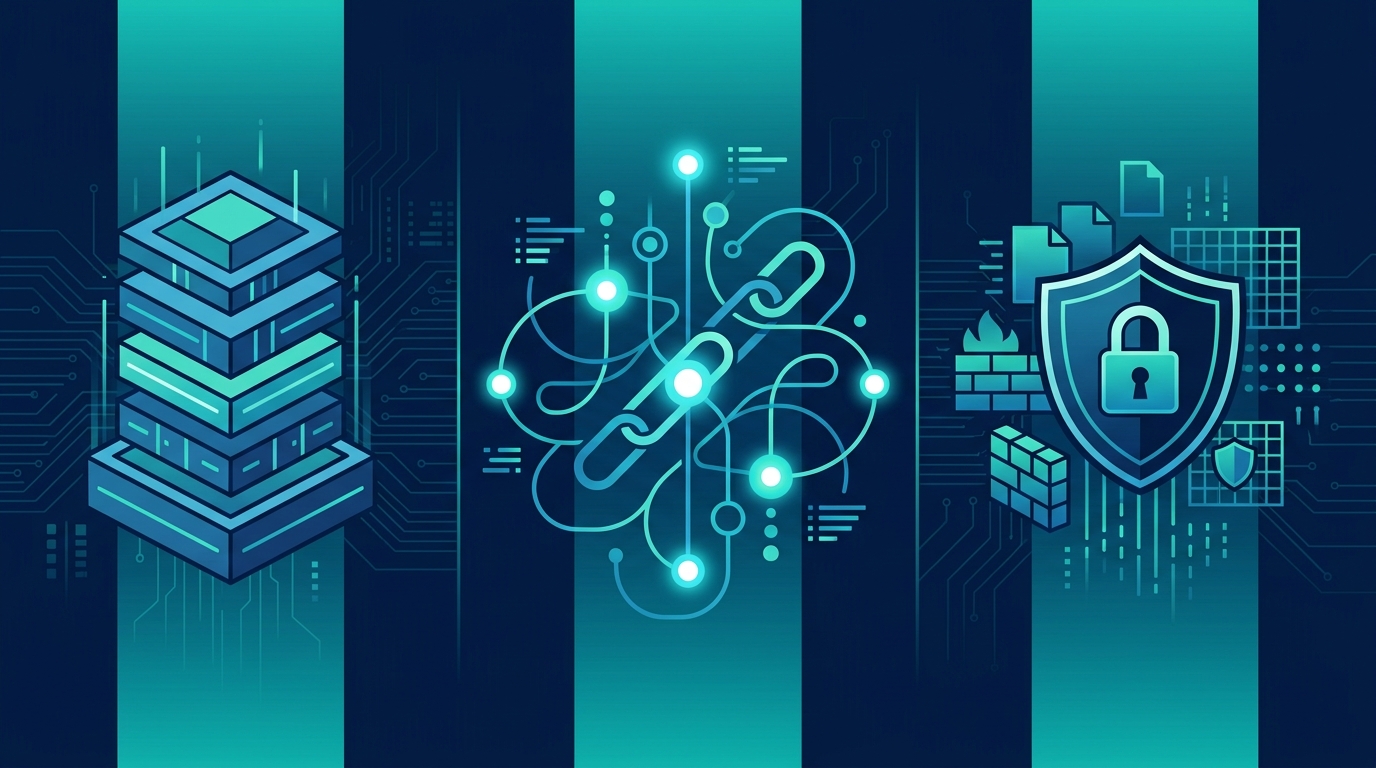
Gartner's 2026 Top Strategic Technology Trends provide a helpful baseline. The trends are grouped into three themes: The Architect, which builds the technical foundation; The Synthesist, which combines technologies into new workflows; and The Sentinel, which protects trust, compliance, and resilience.
The 2026 IT trends in one map
A recurring term is agentic AI: systems that can receive a goal, plan intermediate steps, use tools, and work through a task with less step-by-step human instruction. That idea connects several of Gartner's trends, from AI-native development platforms to multiagent systems and AI-aware security.
| Theme | Trend | Practical meaning |
|---|---|---|
| The Architect | AI-native development platforms | Tools that use AI to accelerate software creation and help more people build applications |
| The Architect | AI supercomputing platforms | Integrated CPU, GPU, and accelerator systems for large AI workloads |
| The Architect | Confidential computing | Hardware-backed protection while data is being processed |
| The Synthesist | Multiagent systems | Multiple AI agents coordinating to automate complex workflows |
| The Synthesist | Domain-specific language models | Models tuned for specific industries, tasks, or data environments |
| The Synthesist | Physical AI | Robots, drones, and equipment that sense, decide, and act in the physical world |
| The Sentinel | Proactive cybersecurity | AI-supported detection and deception before attacks succeed |
| The Sentinel | Digital provenance | Methods for proving where data or media came from and whether it changed |
| The Sentinel | Geopatriation | Moving data and infrastructure closer to required jurisdictions |
| The Sentinel | Disinformation security | Protecting brands and decisions from synthetic media and false narratives |
More than half of the list is directly tied to AI. Gartner also forecasts that by 2030 many organizations will reshape large software engineering teams into smaller AI-augmented teams. That should be read as a directional forecast, not a guaranteed outcome for every company.
Agentic AI changes how development work is organized
The most visible near-term change for developers is the rise of AI coding agents. These tools are moving beyond autocomplete into workflows where a model can inspect a codebase, propose changes, run checks, and revise its own output. The result is not a world where engineers disappear. It is a world where more work becomes supervision, review, integration, and judgment.
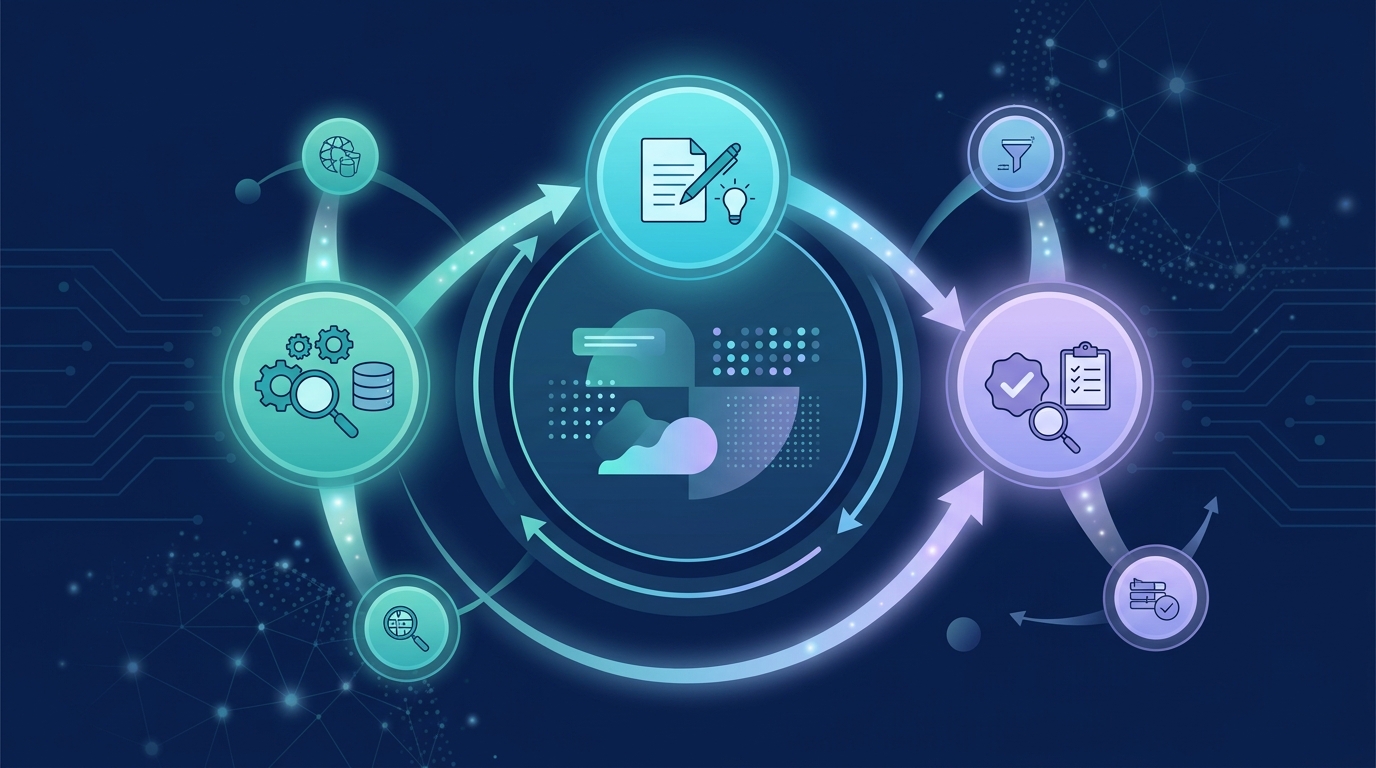
This also explains why multiagent systems matter. A single model may draft code, but a production workflow often needs roles: one agent gathers requirements, another edits code, another tests, and another reviews security or documentation. The same pattern appears in creative AI pipelines, including AI filmmaking, where planning, generation, evaluation, and editing need to work together rather than rely on a single text instruction.
"Autonomous" should be read carefully. Most agentic systems work best when their tools, permissions, review points, and rollback paths are designed in advance. Without that structure, faster automation can simply move mistakes faster.
Spatial computing brings AI closer to the physical world
AI is also moving off the server screen and into devices, rooms, factories, and field operations. Spatial computing blends physical surroundings with digital information through AR, VR, and mixed-reality interfaces. Market estimates vary because analysts define the category differently, but many forecasts expect enterprise use to become a major driver.
The companion idea is on-device AI. Instead of sending every request to a cloud service, the device handles some inference locally. That can reduce latency and support privacy-sensitive workflows, though the result still depends on the chip, model size, thermal limits, and software design. Physical AI extends the pattern further: robots, drones, and industrial systems using AI to perceive and act in real environments.
For teams, the practical question is not whether every workflow needs a headset or robot. It is whether data capture, model inference, and human feedback are being redesigned around the place where work actually happens.
Security moves from reaction to anticipation
As AI systems gain more access, security must shift earlier in the workflow. Gartner's Sentinel theme includes proactive cybersecurity, digital provenance, geopatriation, and disinformation security. These are different problems, but they share a common point: trust has to be designed into the system rather than patched in after launch.
Proactive cybersecurity means looking for attack signals before damage is done. Digital provenance helps prove whether a file, image, or record has a trustworthy origin. Geopatriation is partly technical and partly regulatory: organizations may need data and workloads to remain inside specific jurisdictions. Disinformation security matters because synthetic content can target customers, executives, markets, and public opinion.
What teams should prepare now
Trend reports become useful only when they change planning. For 2026, a practical readiness list looks like this:
- Inventory AI workflows. Know where AI is already used, which data it touches, and who approves outputs.
- Design agent permissions. Limit what agents can read, change, deploy, or purchase without review.
- Upgrade evaluation. Add tests for accuracy, security, bias, and failure recovery—not just speed.
- Plan for edge and device constraints. On-device AI has privacy and latency benefits, but it must fit hardware limits.
- Treat provenance as infrastructure. Synthetic media, generated code, and business records need traceability.
The headline for 2026 is simple: AI is becoming infrastructure. The winning teams will not be the ones that repeat the trend names most loudly. They will be the ones that connect agentic AI, spatial computing, and proactive security to real workflows with clear controls.



No comments:
Post a Comment