Seoul AI Hub Residency 2026: A Practical Checklist for AI Startups
A new K-Startup notice is open for applications. For international readers, the key point is that this is a Korean government startup support notice; applicants generally need a Korea-relevant entity, founder status, or operating base that satisfies the official eligibility language.
The deadline is August 11, 2026, 23:59 KST. Treat the time as Korea Standard Time and leave room for portal, attachment, or email delays.
Quick decision table
Question
What to check
Program fit
pre-founders and startups with AI technology, AI services, or a concrete plan to build them in Korea
Seoul AI Hub second intake and K-Startup Seoul AI Hub readers tracking Korea opportunities
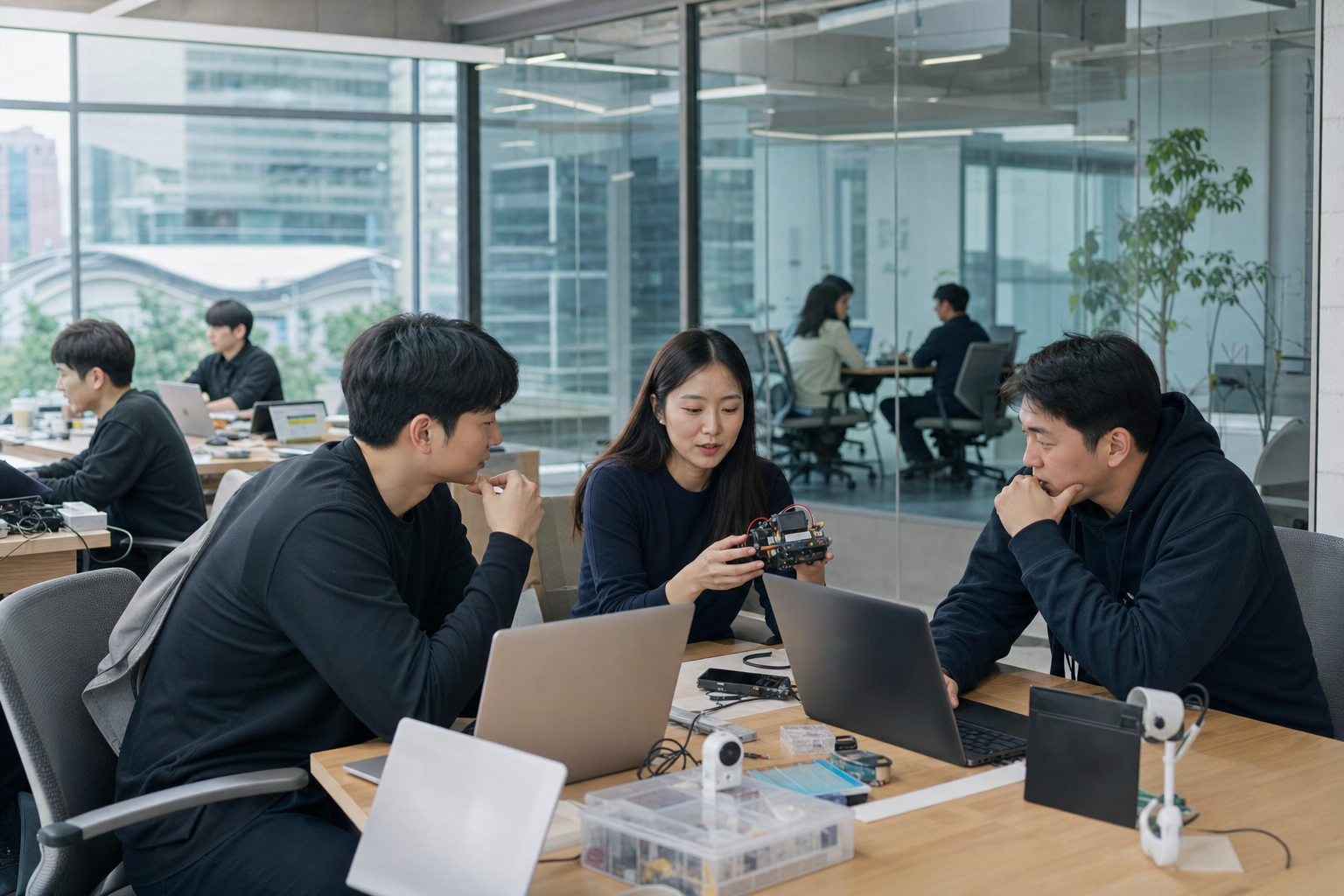
<AI startup residency workspace, Example image 1.1>
Who should look closely
This opportunity is most useful for teams that can explain why Korea is the right operating context, not just why the technology is interesting. A strong application should connect the product, the customer or test environment, the budget request, and the expected outcome. That matters whether the team frames itself around Seoul AI Hub startups or a broader Korea AI workspace program plan.
How to prepare
Read the K-Startup detail page and the attached notice before writing the application narrative.
Map every requested document to a specific eligibility or evaluation point.
Make the budget or workspace rationale concrete: what will be built, tested, introduced to customers, or validated during the support period.
Keep proof of submission, especially when the route is email rather than a fully tracked portal workflow.
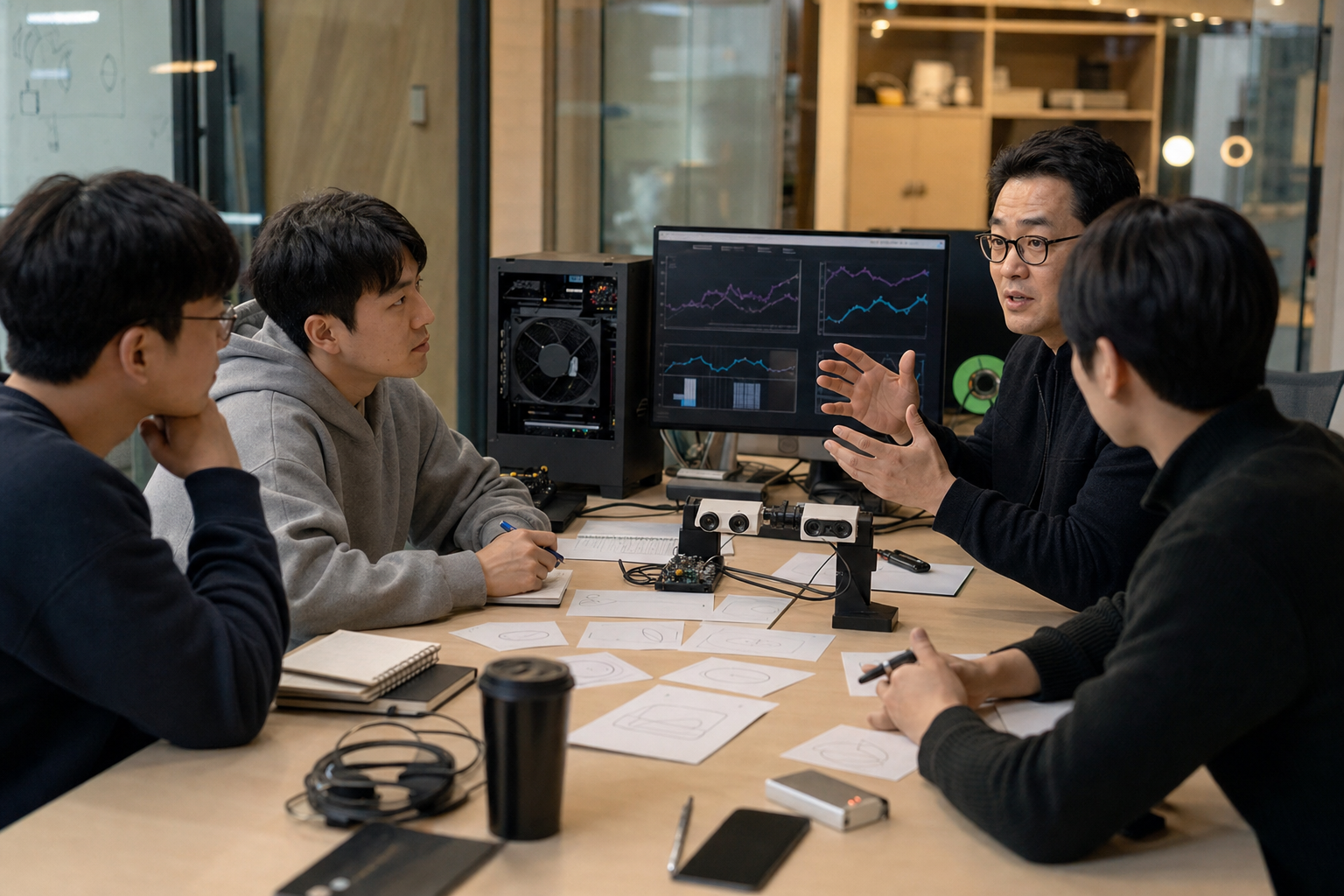
<Seoul AI Hub technical mentoring, Example image 3.1>
Final checks before submission
The company or founder profile matches the Korea-specific eligibility wording.
The application explains the product, the AI component, the market use case, and the requested support in one coherent story.
Required signatures, privacy-consent forms, and attachments are complete.
The submission timestamp is safely before the Korean deadline.
Use the official K-Startup page as the final authority. If an attached PDF or form differs from the web summary, follow up with the operating institution before submitting.
K-Startup Manufacturing AI Support Before August 7
A new K-Startup notice is open for applications. For international readers, the key point is that this is a Korean government startup support notice; applicants generally need a Korea-relevant entity, founder status, or operating base that satisfies the official eligibility language.
The deadline is August 7, 2026, 18:00 KST. Treat the time as Korea Standard Time and leave room for portal, attachment, or email delays.
Quick decision table
Question
What to check
Program fit
hardware manufacturing companies that own or are developing AI technology usable on a factory floor
manufacturing AI grant Korea and K-Startup factory AI grant readers tracking Korea opportunities
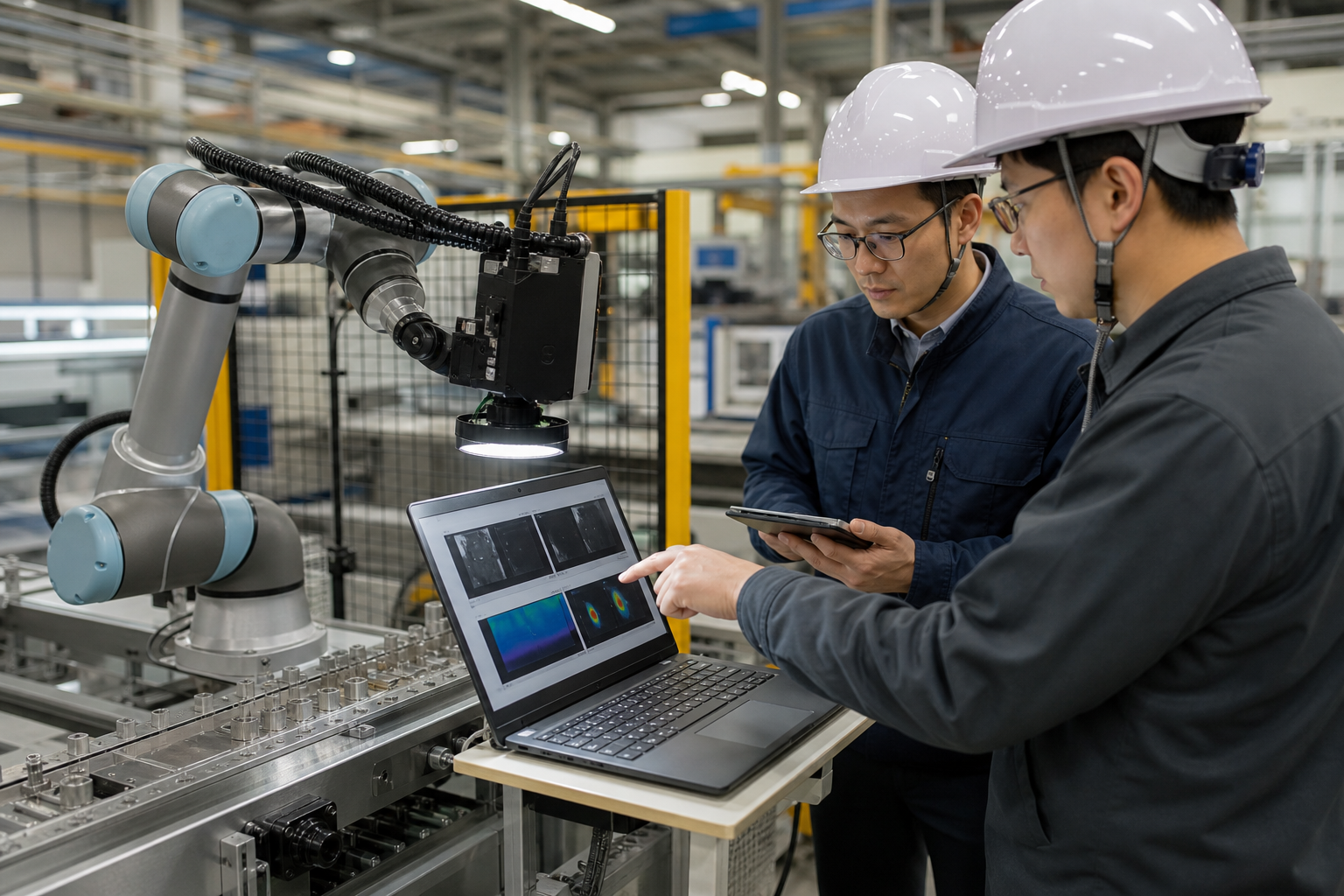
<Manufacturing AI field validation, Example image 1.1>
Who should look closely
This opportunity is most useful for teams that can explain why Korea is the right operating context, not just why the technology is interesting. A strong application should connect the product, the customer or test environment, the budget request, and the expected outcome. That matters whether the team frames itself around a Korea hardware AI grant or a broader Creative Factory AI support plan.
How to prepare
Read the K-Startup detail page and the attached notice before writing the application narrative.
Map every requested document to a specific eligibility or evaluation point.
Make the budget or workspace rationale concrete: what will be built, tested, introduced to customers, or validated during the support period.
Keep proof of submission, especially when the route is email rather than a fully tracked portal workflow.
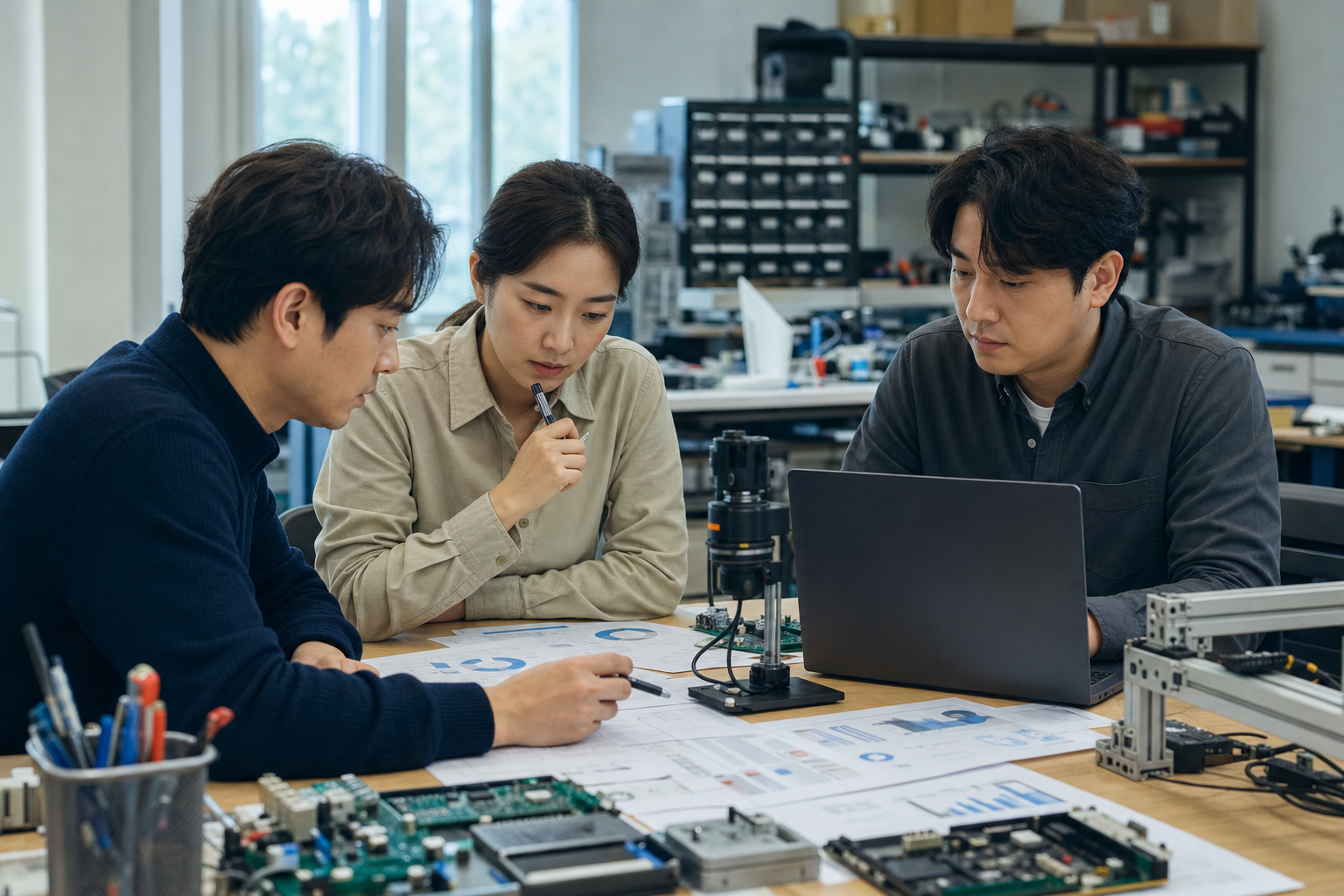
<Manufacturing AI commercialization preparation, Example image 3.1>
Final checks before submission
The company or founder profile matches the Korea-specific eligibility wording.
The application explains the product, the AI component, the market use case, and the requested support in one coherent story.
Required signatures, privacy-consent forms, and attachments are complete.
The submission timestamp is safely before the Korean deadline.
Use the official K-Startup page as the final authority. If an attached PDF or form differs from the web summary, follow up with the operating institution before submitting.
The Gangwon AI healthcare grant is a targeted Korean startup support program for bio and healthcare companies that want to apply artificial intelligence to real operations. For English-speaking founders, investors, or partners tracking Korea's regional deep-tech programs, the notice is useful because it shows how local governments are moving from broad AI slogans to hands-on implementation support.
According to the K-Startup notice and attached announcement, the application window is July 20, 2026 at 17:00 through July 31, 2026 at 23:59 Korea time. The host organization is the Gangwon Center for Creative Economy and Innovation. Applicants should confirm all final details in the original K-Startup notice and attachment before submitting. As a K-Startup healthcare AI program, it is narrower than a general startup grant and should be evaluated against location, industry, and data-handling requirements.
What the program offers
The program supports AI adoption by bio and healthcare startups located in Gangwon Special Self-Governing Province. The attached notice describes a roughly four-month program running from August through December 2026 and a planned cohort of 20 companies.
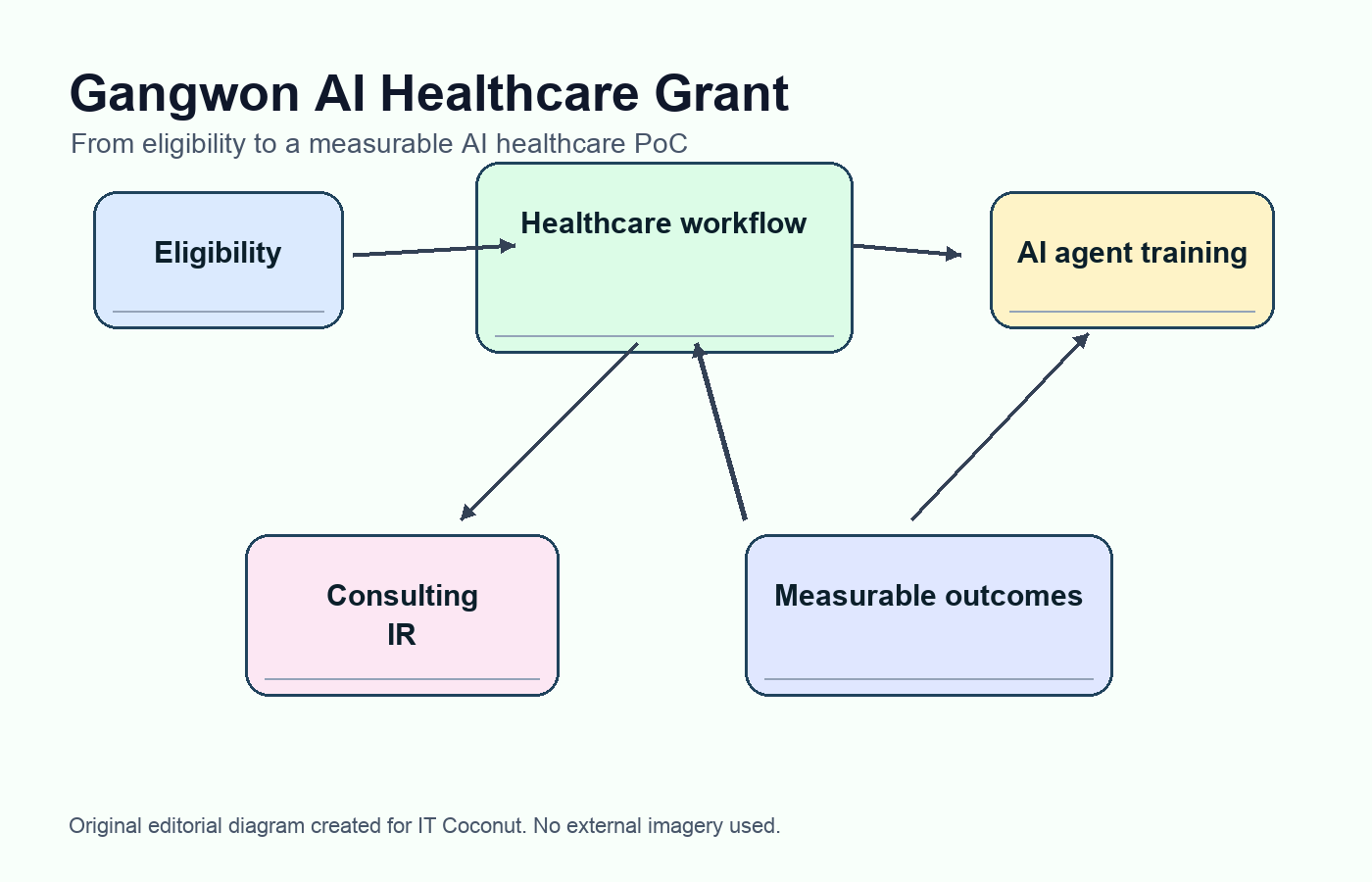
The support package is closer to an AI adoption program than a pure cash grant. It includes access to an AI server room, AI agent training, technology and commercialization consulting, and investor relations support. That makes it most relevant for teams that already understand a healthcare workflow but need help turning AI into a practical proof of concept.
Item
Summary from K-Startup notice and attachment
Program name
Gangwon Bio/Healthcare Industry AI Transformation Support Program extension
Application window
July 20, 2026 17:00 to July 31, 2026 23:59 KST
Program period
August to December 2026, about four months
Host organization
Gangwon Center for Creative Economy and Innovation
Planned cohort
20 companies
Target applicants
Gangwon-based bio or healthcare startups within seven years of founding
<Gangwon AI healthcare startup support flow 1.1>
Who should consider applying
The strongest applicants are likely to have a concrete workflow where AI can reduce friction within four months. Examples include consultation summaries, appointment and intake support, research document organization, institution-facing report automation, medical device operations analytics, or health coaching workflows that still keep humans in the review loop.
Location and age requirements matter. The attachment indicates that a head office, branch, research center, or factory should be located in Gangwon. The K-Startup detail page describes the target as companies less than seven years old. Teams should verify whether any exception, exclusion, or documentation requirement applies to their corporate structure.
The program is also a fit for startups that can describe a small but measurable AI healthcare PoC. A vague plan to “use AI” is weaker than a scoped workflow such as: summarize consultation notes, classify follow-up actions, and have a human manager approve each recommendation before it reaches a patient or partner.
For founders comparing Korean ecosystem programs, this sits near other regional and deep-tech support efforts such as Daegu DEEP-BOUND. The difference is the narrower healthcare and AI adoption focus, which makes it a specific form of Gangwon startup support rather than a general accelerator track. Teams that are building AI-assisted developer or operations workflows can also compare the governance angle with cloud coding agent adoption: in both cases, the value depends on scoped autonomy, review gates, and measurable outcomes.
How a startup should prepare
Start with eligibility. Region, industry, company age, excluded sectors, business status, and any restriction from prior government support programs can disqualify an otherwise strong project. Gather corporate registry documents and location evidence before refining the technical story.
Next, narrow the plan. Healthcare data is sensitive, so a strong proposal should explain what data is used, where it is stored, whether it is anonymized or pseudonymized, and where human review occurs. The AI model name is less important than the workflow before and after AI is introduced.
Then define operating metrics. A four-month program needs outcomes that can be shown during interim and final reviews: shorter report-writing time, reduced repeated inquiries, better draft response quality, faster triage, or improved staff satisfaction. These metrics should be realistic enough to measure with a small pilot.
The program may be especially relevant to:
healthcare SaaS and digital health service teams;
biomedical research documentation and internal knowledge-search products;
hospital, clinic, screening-center, or care-facility automation platforms;
privacy-aware AI agent proof-of-concept companies;
AI solution vendors that can partner with Gangwon bio and healthcare firms.
Final checklist before submission
Recheck the K-Startup detail page and attached PDF for the final deadline and submission route.
Confirm Gangwon location evidence for a head office, branch, research center, or factory.
Describe the healthcare workflow before naming the model or tool.
Include privacy, security, and human review safeguards for sensitive data.
Keep the four-month deliverable small enough to demonstrate with measurable outcomes.
The simple reading is this: the notice is a short, focused chance for Gangwon bio and healthcare startups to test AI agents and automation in a real operating context. The opportunity is practical, but the eligibility and data-responsibility requirements are narrow enough that teams should validate fit before investing heavily in the application.