Gemini 3.6 Flash is the latest fast-response branch in Google’s Gemini API model lineup. The important word is “Flash.” Instead of spending the longest possible reasoning budget on every request, it is designed around wide input, quick turnaround, and lower-cost repeated calls across documents, images, code, and audio. That makes the more interesting question not whether it is a smarter chatbot, but where it belongs in an agent that repeatedly calls tools, checks results, and revises its work. The practical adoption question is AI agent cost: how a multimodal AI model with long context AI capabilities should be routed inside a product.
Google’s Gemini API model documentation describes Gemini 3.6 Flash as a model that can handle text, image, video, and audio inputs with text output. The latest models guide and API changelog also show why developers need to verify model names, supported inputs, and feature availability against the live API documentation. For a fast model, the design center is less “what can it answer once?” and more “where should repeated calls sit in the workflow?”
Background: the bottleneck after the large-model race
In a real AI product, the expensive moment is often not a single answer. It is the failed iteration. Search, file reading, code edits, test runs, summaries, and another round of edits can multiply model calls quickly. As earlier Claude 4 agentic coding patterns showed, using the strongest model at every step can stabilize quality, but it also raises latency and cost. Using only a cheaper model can introduce mistakes in tool order, long-context handling, or final reasoning.
A fast multimodal model such as Gemini 3.6 Flash targets that middle layer. It can take in a broad bundle of documents, screenshots, logs, and short media descriptions, then reserve deeper reasoning for the moments that actually require it. Independent hands-on reviews tend to highlight speed and everyday task handling as strengths while still warning that complex reasoning and factual claims need separate checking. That is not simply a weakness; it defines the value of the Flash tier. Its strongest role is often running the loop cheaply and quickly, not making every final decision by itself.
| Design question | Where Gemini 3.6 Flash fits | What still needs care |
|---|---|---|
| Are there many documents and a short answer? | Meeting notes, logs, and requirements summaries | Preserve links to supporting passages |
| Does the input include images or screens? | Screenshot classification and UI-state explanation | Recheck small text, charts, and visual details |
| Will an agent call the model repeatedly? | Planning drafts, candidate filtering, result cleanup | Put final decisions through stricter checks |
| Is latency a core product constraint? | Chat-style work assistants and real-time support | Measure the speed-accuracy tradeoff in production |
Principle: read broadly, iterate lightly
Imagine an internal development assistant asked to summarize the cause of last week’s payment outage and draft a prevention checklist. The agent has to inspect incident tickets, deployment logs, Grafana screenshots, related code diffs, and customer-support summaries. A Flash model can quickly scan that bundle, narrow the suspicious areas, and send only the highest-risk logs or code paths to a stronger model or human reviewer.
The same routing logic appears in practical OpenAI Codex cloud agent workflows. The key idea is layering. The fast model organizes evidence and reduces the candidate set. The more expensive model focuses on ambiguous root-cause analysis or final wording. When a model card is available, as in Google DeepMind’s Gemini 3.6 Flash model card, teams should read supported inputs, safety evaluation, and known limits together. “Fast” is a product advantage, but the operating rule must still specify which inputs the model handles well and which decisions it should not own alone.
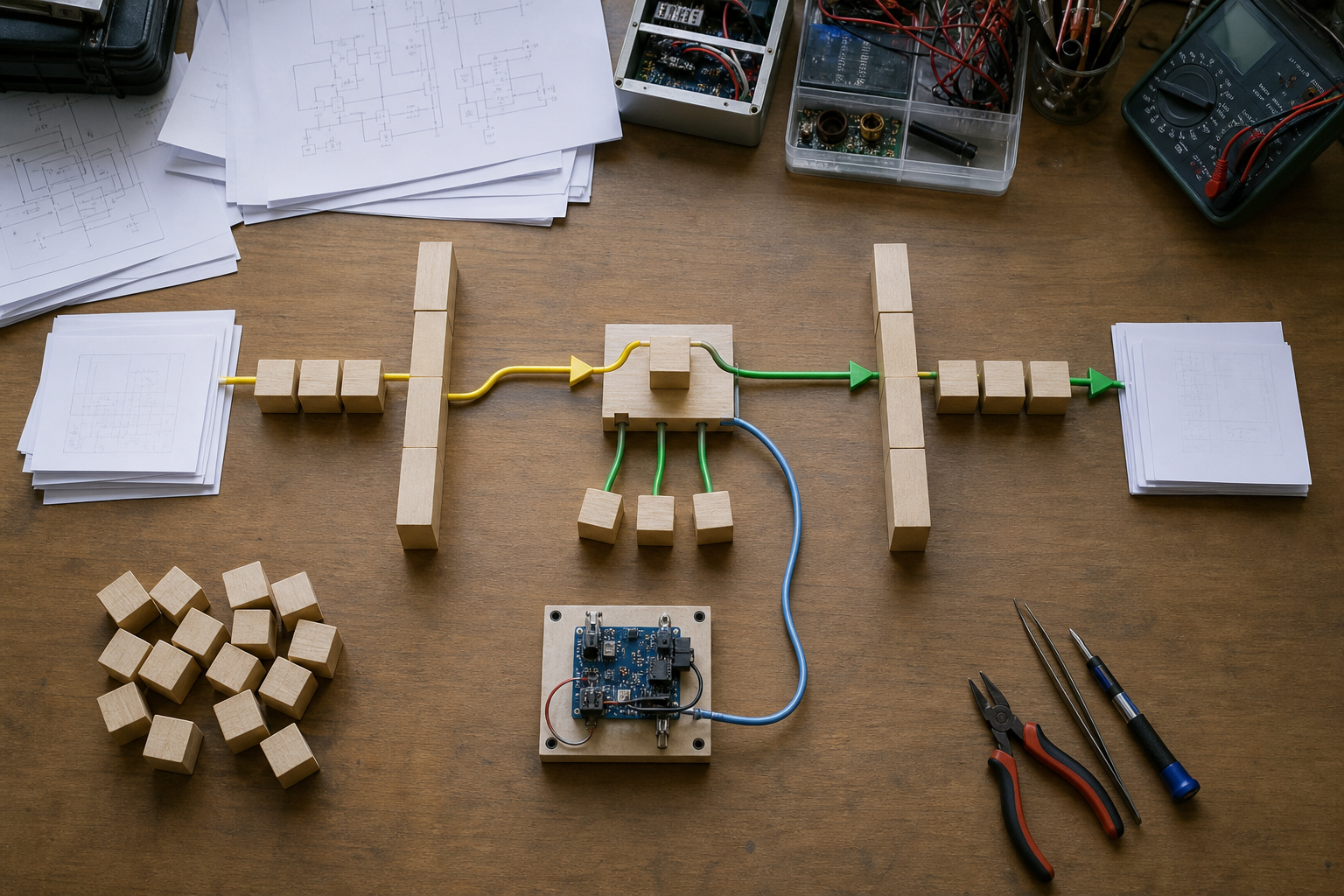
Structure: where it fits inside an agent runtime
A practical runtime has four boxes. First, the collection layer groups documents, images, and logs into the same work unit. Second, Gemini 3.6 Flash performs fast summarization, classification, and candidate extraction. Third, high-risk judgments go to tests, rules, a stronger model, or human review. Fourth, the final response preserves supporting links and the remaining uncertainty.
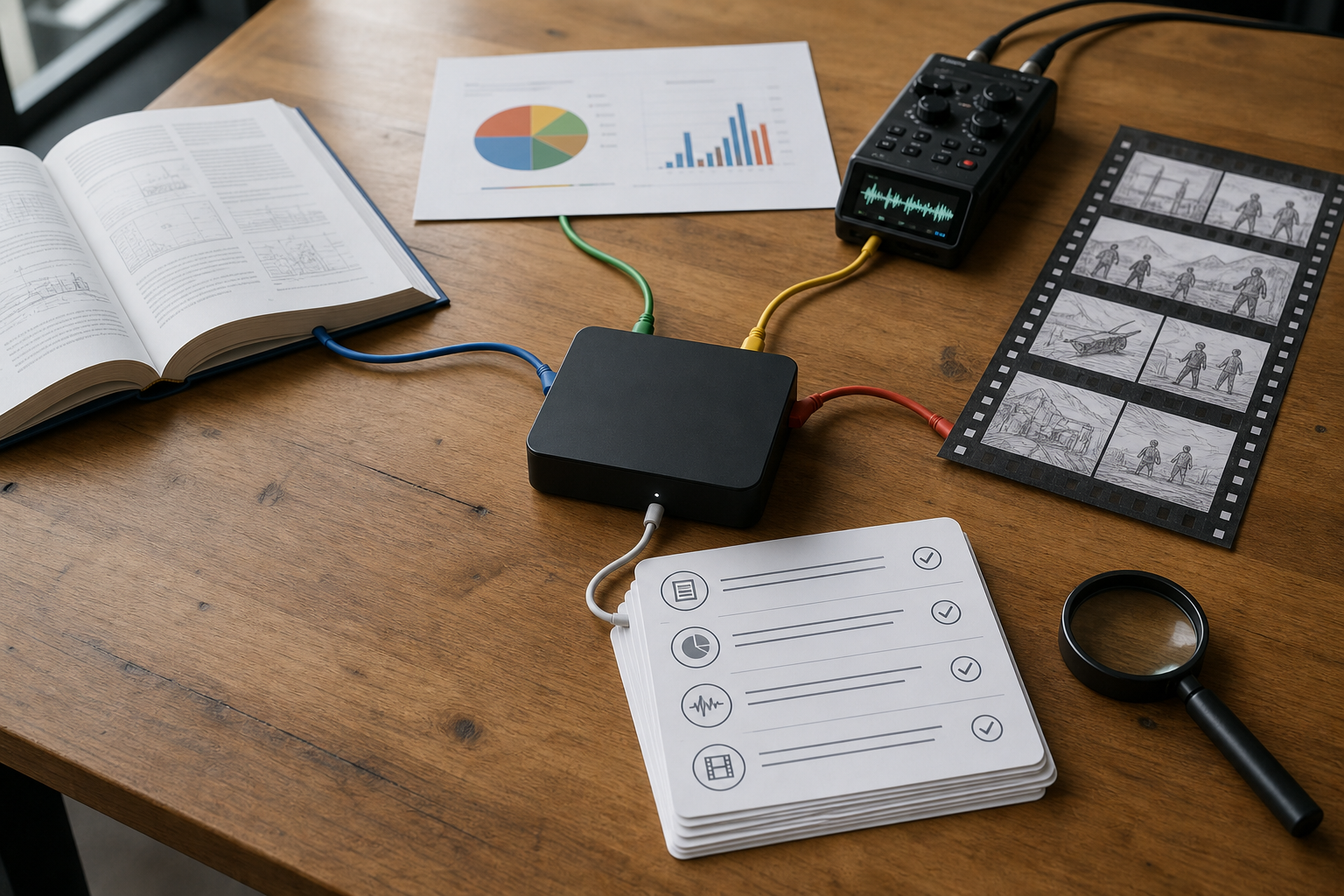
In this architecture, the Flash model is not the single brain that decides everything. It is a fast operating layer. It fits tasks such as clustering thousands of customer messages by theme, extracting release-risk areas from notes, or reading screenshots together with logs to draft reproduction steps. It is a weaker fit for vulnerability decisions, legal wording, financial figures, or medical judgments unless those outputs are backed by evidence and a separate review path.
Checkpoints: four things to examine before adoption
First, real cost comes from call structure, not only token price. If a fast model creates duplicate summaries and follow-up questions, total cost may not fall. Teams should split the workflow into initial organization, candidate extraction, and final verification, then measure the failure rate at each stage.
Second, long context is an input window, not memory. A model may accept many files without treating every detail equally. Important numbers, policy clauses, and API names should keep their original locations and be checked again before they appear in the final answer.
Third, multimodal input changes the user experience, but it also changes verification. A model can appear to understand a screenshot while still misreading small text, table structure, color meaning, or time-series context. A product that relies on screen input should store the original image and the model’s explanation together so later review is possible.
Fourth, current model names should be configuration, not hard-coded product logic. Google’s model documentation and changelog show that names, features, and recommended usage keep changing. Long-lived products should keep model choice in environment configuration or a routing table and prepare fallback paths when a model, feature, or safety route is unavailable.
Gemini 3.6 Flash does not mean every request should move to one smartest model. It signals that agent products increasingly need separate lanes for fast models, stronger models, and rule-based verification. If a team needs to organize a lot of input quickly, this model is worth evaluating first on a workflow cost chart, not only on a leaderboard.




No comments:
Post a Comment