The OpenAI Codex cloud agent is not just another code-completion feature. It points to a different operating model for software teams: assign a bounded development task, let an AI system work in a controlled cloud environment, then inspect the proposed changes before they reach production.
OpenAI describes Codex as a coding agent available inside ChatGPT that can work on software tasks such as fixing bugs, adding features, answering questions about a codebase, and producing changes for review. Its help documentation for Codex in ChatGPT emphasizes the same practical detail developers care about: the work happens in an isolated workspace connected to a repository, not directly on a developer’s laptop.
That distinction matters. A cloud coding agent is useful only if the surrounding workflow makes its output understandable, reversible, and safe enough to evaluate.
Why Codex moved from autocomplete to delegated work
Early AI coding tools were easiest to understand as assistants inside an editor. They suggested a function, completed a line, or explained a small block of code. Codex in ChatGPT changes the unit of work. The task may span several files, require a repository checkout, and need evidence that the proposed change behaves as expected.
This follows the broader rise of agentic AI: systems that do not merely answer a question, but take a sequence of actions under constraints. In software, that can mean reading code, editing files, running checks, and returning a diff for human review.
The important point is not whether the agent feels impressive in a demo. It is whether the team can answer four concrete questions:
| Question | Why it matters |
|---|---|
| What code and data can the agent access? | Repository scope and secret handling define the risk boundary. |
| Where does execution happen? | A cloud workspace changes reproducibility, cost, and isolation. |
| What evidence comes back with the change? | Tests, logs, and diffs decide whether review is realistic. |
| How does a human approve or reject the result? | Delegation without review becomes hidden automation. |
The core mechanism: task, sandbox, diff, review
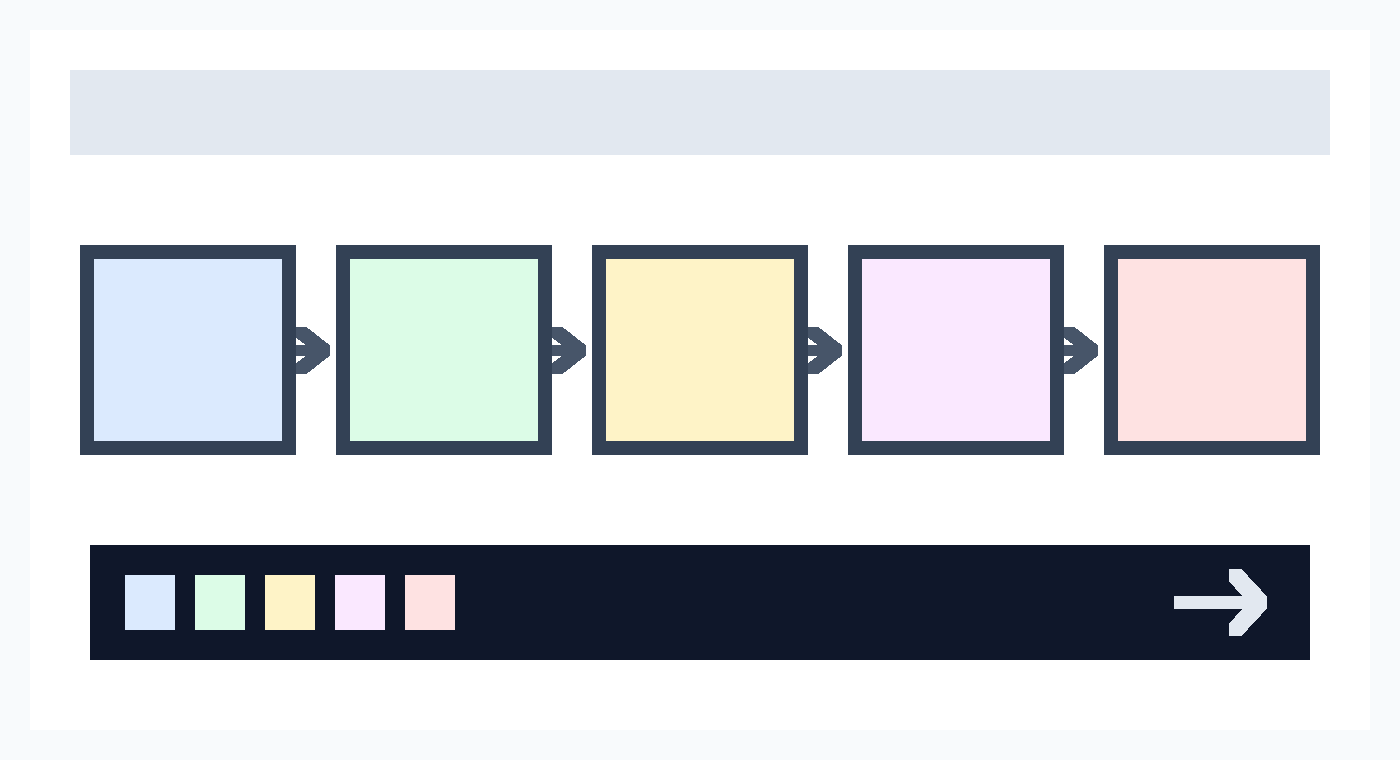
A practical OpenAI Codex cloud agent workflow has four moving parts.
First, the user gives a bounded task: fix a failing test, implement a small feature, explain a confusing module, or prepare a change request. The task has to be specific enough that success can be judged.
Second, the system runs in a managed environment. OpenAI’s Introducing Codex announcement frames Codex as a cloud-based software engineering agent that can work independently on tasks. That cloud setting is significant because it separates the agent’s execution from a developer’s local machine and can make review artifacts more consistent.
Third, the agent produces code changes or an answer. This is where the comparison with autocomplete breaks down. A useful agent output is not only text; it is a proposed change with context.
Fourth, a developer reviews the result. This is the heart of a secure AI coding workflow. The model may accelerate the draft, but the team still needs tests, code review, permission boundaries, and rollback paths. That is why the ideas behind agentic engineering are so relevant: the human role moves toward task framing and verification, not blind acceptance.
Where teams should try Codex first
The safest early use cases are narrow and verifiable. Good candidates include small bug fixes, test generation, documentation updates, refactors with strong test coverage, and exploratory codebase questions. In those cases, a reviewer can compare the proposed change against a known target.
Riskier uses include security-sensitive rewrites, ambiguous product logic, data migrations, billing behavior, and architecture changes without tests. An agent can still help investigate those areas, but the approval bar should be higher.
A useful adoption pattern is to start with low-risk repository tasks, measure how often the output survives review, and then widen the scope only when the review process is stable. Teams should also decide which files, commands, and secrets the agent must never touch.
Limits that determine whether Codex is production-ready
The first limit is verification cost. If a developer spends more time proving the agent’s answer than writing the fix, the workflow is not yet saving time. Strong tests and small tasks make the economics better.
The second limit is platform dependence. A managed coding agent can be convenient, but teams should understand where logs, diffs, environment settings, and repository permissions live. Moving work across tools becomes harder when the workflow depends on one vendor’s assumptions.
The third limit is responsibility. When an AI system changes code, organizations still need to know who requested the work, who reviewed it, what checks passed, and what was merged. Without that traceability, speed can reduce accountability.
The balanced takeaway is simple: OpenAI Codex cloud agent is best understood as delegated development inside a controlled workspace. It can make software work faster, especially for bounded tasks, but it does not remove the need for engineering judgment. The teams that benefit most will be the ones that combine Codex in ChatGPT with tests, code review, and a clear secure AI coding workflow.
Key sources
- OpenAI — Introducing Codex — Codex announcement and product framing.
- OpenAI Help — Codex in ChatGPT — user workflow and constraints.
- OpenAI — Introducing o3 and o4-mini — reasoning-model context behind more capable tool-using systems.




No comments:
Post a Comment