GPT-5.6 Sol is hard to explain as simply “a larger model.” On July 9, 2026, OpenAI made the GPT-5.6 family generally available with Sol as the flagship, Terra for balanced everyday work, and Luna as the cost-efficient tier. The release emphasizes work per token, latency, and cost, not only absolute benchmark scores. The ultra setting and the Responses API multi-agent beta are especially important because they turn parallel delegation into a product feature.
For developers, the shift is that model calls no longer look like one question and one answer. Code review, research, and long terminal workflows can improve when independent observations and checks run in parallel. In practical AI coding, it is increasingly natural to separate security, correctness, and missing-test review rather than ask one agent to inspect every file sequentially.
Background
The OpenAI release says GPT-5.6 Sol scored 53.6 on Agents’ Last Exam, 13.1 points above Claude Fable 5 adaptive reasoning. Artificial Analysis also lists GPT-5.6 Sol max at 59 on its Intelligence Index, close to Claude Fable 5 at 60. These are useful signals, but benchmark task mix, pricing assumptions, and reasoning-effort settings may differ from a real production workload.
| Tier | What the release emphasizes | What teams should verify |
|---|---|---|
| Sol | Hard coding and knowledge work | Can it reproduce and fix errors end to end? |
| Terra | Balanced daily work | Are cost and latency predictable? |
| Luna | Low cost | Is the quality drop acceptable? |
| ultra | Parallel agent coordination | Does wall-clock time fall enough to justify more tokens? |
How it works
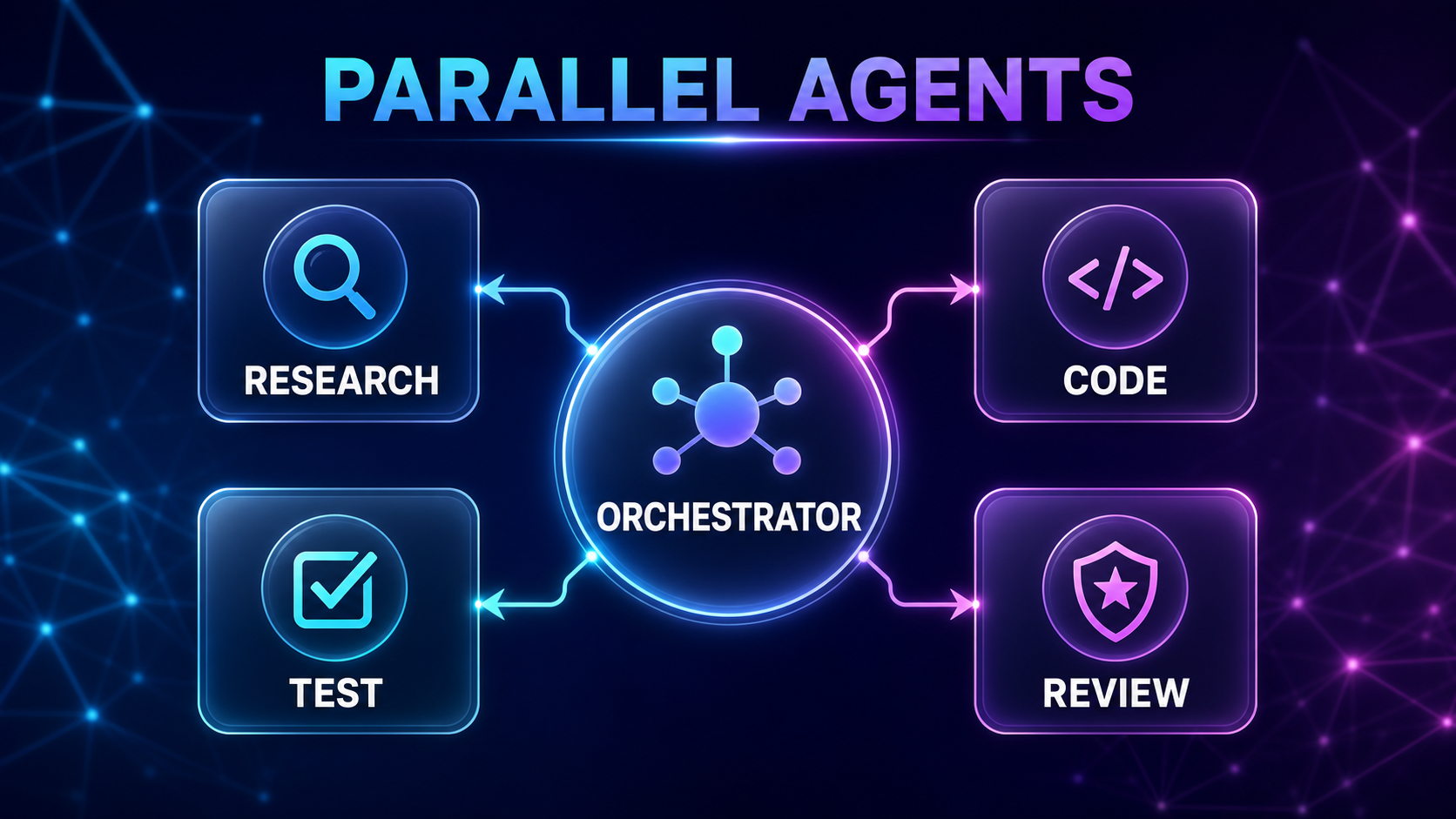
Multi-agent orchestration lets a root agent create several subagents, collect their outputs, and synthesize a final response. OpenAI’s documentation uses a pull-request review example where one agent checks correctness, another security, and another missing tests before findings are reconciled. This works best when parallel exploration helps. It can be wasteful when every step depends on the previous one or when multiple agents contend over the same file.
Programmatic Tool Calling follows the same logic. Instead of pushing every tool result back into the model context, a small program can filter intermediate data and retain only the evidence that matters. For LLM programming, that is an operational technique for keeping long tool traces from overwhelming the model.
Architecture
The first image shows a root agent dividing work into security, correctness, and test cards. The second shows token use, time, and cost being compared on a development desk. The main point of GPT-5.6 is not just “one smartest model,” but a control plane for choosing reasoning effort and parallelism by task.
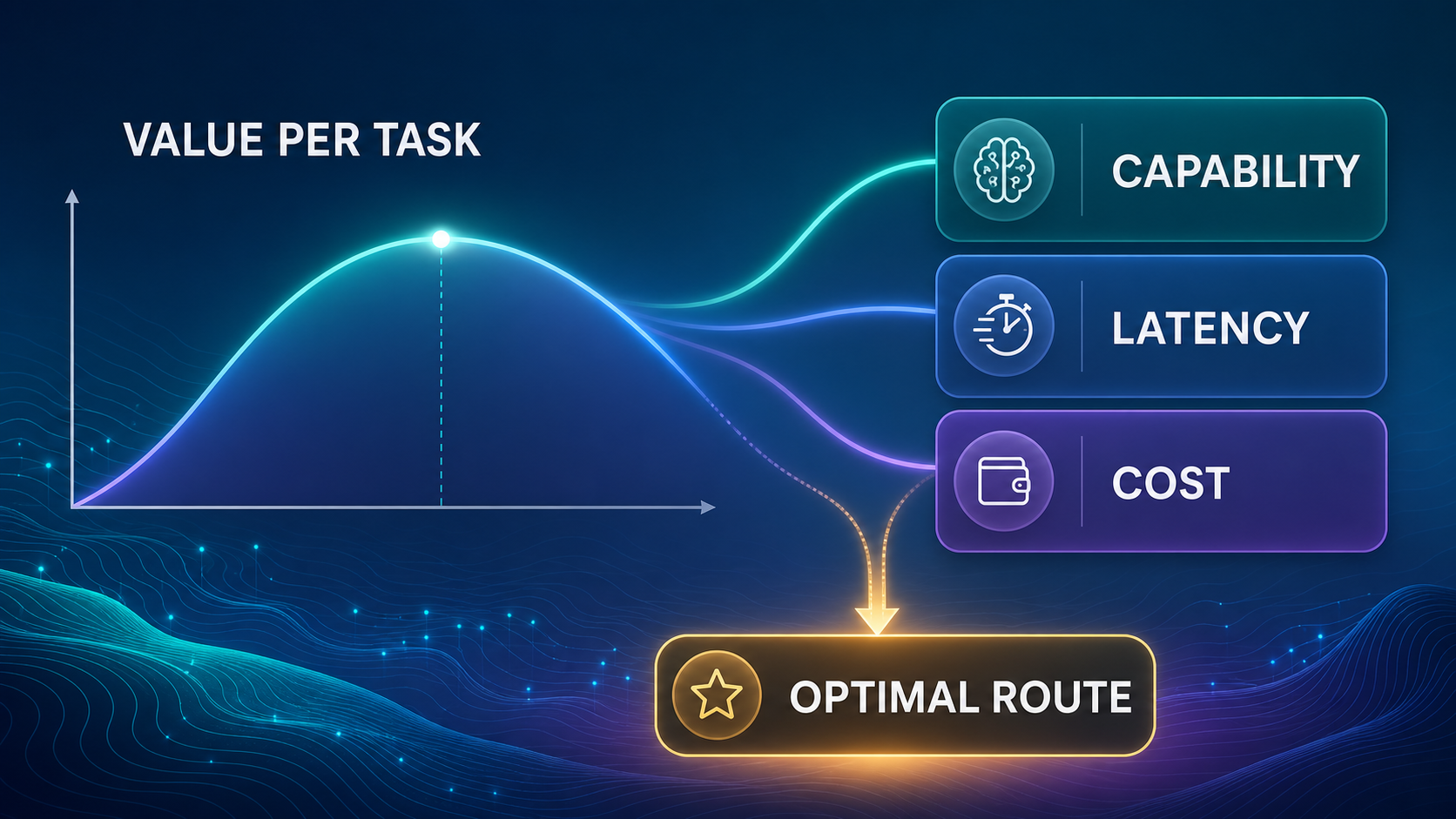
When adopting a new frontier model, do not test only the highest-capability mode. Measure the same workflow across Sol, Terra, Luna, and single-agent versus parallel-agent configurations.
Checkpoints
Benchmark numbers are a starting point, not a deployment plan. Every organization has different document lengths, codebase layouts, and approval rules. If humans must spend substantial time reconciling parallel-agent outputs, the time savings shrink. Multiple agents also complicate logs, permissions, and cost attribution. High-impact actions still need application-level approval, regardless of model setting.
GPT-5.6 Sol matters because model competition is moving from raw answer quality toward cost of completed work. Knowing when to spend extra reasoning and when to keep the workflow lean is becoming as important as choosing the model itself.




No comments:
Post a Comment